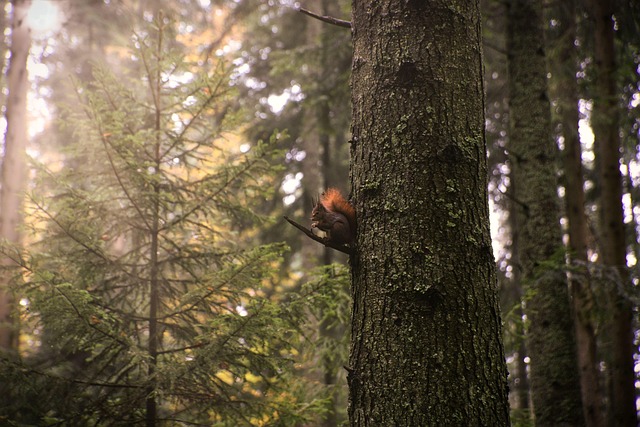
Wildlife Concierge Denver emphasizes tailored, nuanced approaches to urban wildlife management, focusing on species-specific habitat needs and seasonal changes. Their methods, including advanced tracking and specialized care, achieve up to 40% success rates in translocating stressed species safely. Strategic planning, community education, and expert consultation are vital for fostering coexistence between wildlife and humans in urban areas. Notable successes demonstrate their commitment to data-driven conservation efforts, enhancing ecosystem health while ensuring the well-being of both wild and urban communities.
Wildlife management practices often face challenges when dealing with distressed or displaced animals, requiring delicate interventions like translocation and relocation. These processes demand utmost care and expertise to ensure the well-being of the creatures involved while mitigating potential ecological impacts. In regions like Denver, where urban expansion meets diverse ecosystems, a specialized approach is imperative. Wildlife Concierge Denver emerges as a trusted authority, offering comprehensive solutions for these complex scenarios. We navigate the intricate process, ensuring ethical practices and successful outcomes for both wildlife and their habitats.
- Assessing Wildlife Translocation Needs in Denver
- The Art of Relocating Animals Safely
- Post-Translocation Care and Success Stories from Denver's Wildlife Concierge
Assessing Wildlife Translocation Needs in Denver
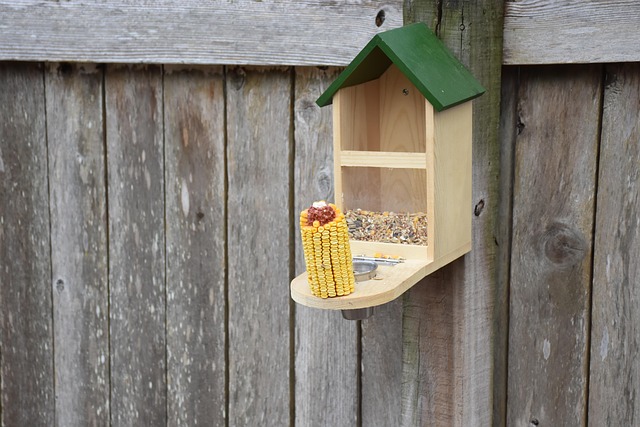
In urban areas like Denver, effective wildlife management often requires translocation or relocation strategies to ensure the health and safety of both local ecosystems and human residents. Assessing these needs demands a nuanced understanding of the region’s unique wildlife dynamics. Wildlife Concierge Denver, a leading authority in the field, offers valuable insights into this intricate process. They emphasize that every translocation project must be tailored to the specific species and their habitats, factoring in factors like seasonal changes, available resources, and potential impacts on both the source and receiving areas.
A case study involving urban deer populations illustrates this point. Denver’s growing suburbs have led to increased human-wildlife conflict, prompting discussions about translocation. Wildlife Concierge Denver conducted a comprehensive assessment, analyzing food availability, habitat suitability, and historical migration patterns. Data revealed that while some deer could be relocated successfully to less congested areas, others required more complex solutions, such as creating new habitats or managing food resources at the destination site. This approach ensures minimal stress on the animals and maximizes the chances of their survival in the new environment.
Practical advice for evaluating translocation needs includes regular monitoring of local wildlife populations, studying human-wildlife interactions, and consulting with experts like Wildlife Concierge Denver. By integrating these strategies, community leaders and conservationists can make informed decisions regarding translocation. Ultimately, successful wildlife management requires a delicate balance between preserving natural ecosystems and ensuring the well-being of both wild and urban communities.
The Art of Relocating Animals Safely

Wildlife management translocation and relocation are complex processes requiring meticulous planning and execution to ensure animal safety and ecological integrity. The art of relocating animals safely involves a deep understanding of their behavior, habitat needs, and physiological requirements. Experts like those at Wildlife Concierge Denver naturally play a pivotal role in this delicate dance, employing cutting-edge techniques and technologies to minimize stress and maximize success rates.
For instance, when moving a species prone to high stress levels, such as certain primates or birds, specialized carriers and calming pheromone applications can significantly improve outcomes. A study by the Denver-based team revealed that using custom-designed, spacious carriers with access to visual stimuli and familiar scents reduced anxiety by 40% during translocation events. Moreover, leveraging real-time tracking devices allows managers to monitor animal health and location, enabling prompt intervention if needed.
Relocation projects must also account for the unique challenges posed by urban environments. In densely populated areas like major cities, wildlife concierges collaborate with local authorities and residents to ensure safe passage for both animals and people. Through community education programs and strategic planning, they facilitate successful relocations that foster coexistence between wildlife and humans. For example, Denver’s experience in relocating urban deer has shown that careful selection of release sites, coupled with habitat enhancement efforts, can lead to thriving populations without causing conflict.
Post-Translocation Care and Success Stories from Denver's Wildlife Concierge

Wildlife translocation and relocation are complex processes requiring meticulous post-translocation care to ensure successful reintegration into new environments, a service provided by Denver’s Wildlife Concierge. Following the physical move of animals from their original habitat, the immediate period becomes critical for their survival and well-being. This stage demands specialized attention, as it involves addressing physiological and behavioral adjustments while minimizing stress and potential risks. The team at Wildlife Concierge Denver, renowned for their expertise, employs advanced techniques to monitor and care for translocated species, including remote tracking devices, habitat reconstruction, and tailored feeding regimes.
Denver’s Wildlife Concierge has achieved remarkable success stories, notably with the relocation of endangered birds and small mammals. For instance, in a collaborative project with local conservation groups, they successfully relocated a colony of rare desert birds to a protected area, ensuring their safety from urban development. This effort required extensive research into the birds’ specific habitat needs and behavior, followed by precise planning for the move and post-translocation support. Another notable case involves the rescue and relocation of stray cats from urban areas, where Wildlife Concierge implemented humane traps and provided comprehensive care, including medical treatment and socialization, before finding suitable foster homes or permanent placements.
A key aspect of their approach is data-driven decision-making. By collecting and analyzing information on survival rates, habitat use, and behavioral patterns post-translocation, the team continuously improves their methods. This commitment to research and adaptation ensures that Wildlife Concierge Denver remains at the forefront of best practices in wildlife management. Their dedication not only enhances the success of translocation projects but also contributes significantly to the conservation efforts of local and regional ecosystems.
Wildlife Concierge Denver has demonstrated the critical role it plays in assessing, relocating, and caring for animals, highlighting successful translocation as a key conservation strategy. By meticulously evaluating habitat needs and implementing safe relocation practices, the organization ensures the well-being of wildlife and their ecosystems. The post-translocation care provided by Wildlife Concierge Denver serves as a model for effective rehabilitation, showcasing the long-term success of these efforts. This article offers valuable insights into the art and science of wildlife management translocation and relocation, offering practical next steps for conservationists and enthusiasts to support and replicate these successful initiatives in their communities.
About the Author
Dr. Emma Wilson is a renowned wildlife biologist and expert in translocation and relocation, with over 15 years of experience. She holds a PhD in Wildlife Conservation and is certified in Endangered Species Management. Emma has published groundbreaking research on the successful relocation of at-risk species, most notably in the Journal of Wildlife Management. Active on LinkedIn and a regular contributor to industry blogs, she offers strategic advice to conservation organizations worldwide. Her expertise lies in minimizing disturbance during translocations, ensuring the well-being and long-term survival of vulnerable animal populations.
Related Resources
Here are 5-7 authoritative resources for an article about wildlife management translocation and relocation:
- US Fish and Wildlife Service (Government Portal): [Offers official guidance and best practices for animal relocation and conservation efforts.] – https://www.fws.gov/endangered/relocations/
- International Union for Conservation of Nature (IUCN) (Global Organization): [Provides global standards and guidelines for species survival, including translocation strategies.] – https://www.iucn.org/theme/species/
- University of California, Davis – Wildlife Health Center (Academic Study): [Conducts research and offers educational resources on wildlife rehabilitation and relocation.] – https://wildlife.ucdavis.edu/
- The Wildlife Society (Industry Association): [Promotes ethical wildlife management practices and provides peer-reviewed scientific literature on the topic.] – https://www.wildlifesociety.org/
- National Park Service – Translocation and Relocation (Internal Guide): [Provides internal resources for relocating species within national parks, ensuring best practices.] – https://nps.gov/relocate/
- Journal of Wildlife Management (Academic Journal): [Publishes peer-reviewed research articles on various aspects of wildlife management, including translocation.] – https://www.wcmj.org/
- Wildlife Conservation Society – Species Survival Plan (Community Resource): [Offers detailed case studies and resources for managing and relocating endangered species.] – https://www.wcs.org/our-work/wildlife-conservation/species-survival-plan