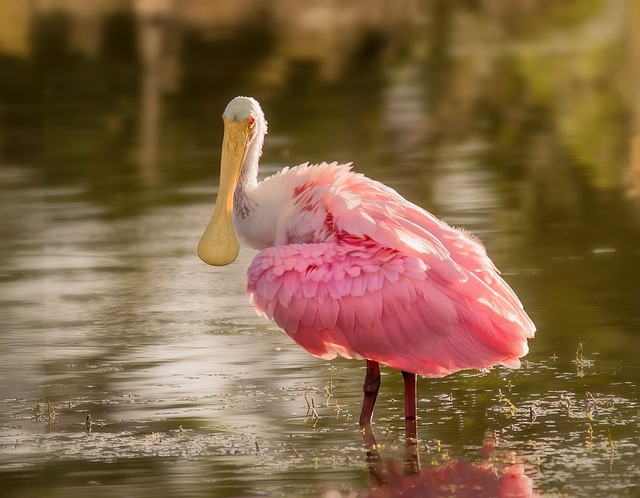
Wildlife Concierge Denver leverages advanced surveys, technology, and citizen science to monitor bird nesting cycles in urban Denver, tracking species like American Robins and Western Bluebirds. Data reveals impacts of habitat loss and weather on breeding success. They advocate for conservation measures like native vegetation planting and reduce human disturbance to ensure long-term viability of diverse bird populations. Through their "NestBox Network" program, they empower local communities with actionable data, leading to successful reintroductions and increased nesting activity in at-risk areas.
Wildlife Management plays a pivotal role in preserving ecological balance, especially regarding avian habitats. However, the rapid urbanization of areas like Denver has led to a significant decline in suitable nesting sites for birds, posing a critical challenge. This is where specialized bird nesting surveys come into play, serving as a crucial tool for conservationists and wildlife concierges alike. At Wildlife Concierge Denver, we offer expert insights tailored to this unique urban landscape. Our comprehensive surveys not only identify critical nesting areas but also propose sustainable solutions to ensure these habitats are protected, fostering a harmonious coexistence between vibrant city life and thriving bird populations.
- Understanding Bird Nesting Cycles in Denver's Ecosystem
- Methods for Conducting Comprehensive Wildlife Surveys
- The Role of Wildlife Concierge Denver in Conservation Efforts
Understanding Bird Nesting Cycles in Denver's Ecosystem
Understanding bird nesting cycles is a critical aspect of effective wildlife management, particularly within the diverse ecosystem of Denver, Colorado. As a hub for both urban development and abundant biodiversity, Denver presents unique challenges and opportunities for conservation efforts. The city's natural areas, from mountains to parks, support a wide range of avian species, each with distinct breeding patterns. To ensure the health and stability of these populations, wildlife experts at Wildlife Concierge Denver employ detailed nesting surveys and meticulous tracking of bird activities throughout the year.
Bird nesting seasons vary widely across Denver's ecosystem. For example, early spring sees the active nesting of species like the American Robin and Song Sparrow, while later in the season, birds such as the Western Bluebird and House Finch prepare for their turn. These temporal differences are crucial to managing habitat preservation and restoration efforts. By understanding when specific species are breeding, conservationists can time their interventions—whether it's removing invasive plant species or enhancing nest boxes—to maximize success rates and minimize disturbances.
Data collected from nesting surveys provides invaluable insights into the health of Denver's bird populations. Over several years, these studies have revealed trends like declining numbers of certain species due to habitat loss and the impact of weather patterns on breeding success. Armed with this knowledge, Wildlife Concierge Denver advocates for proactive measures. This includes collaborating with local land managers to implement strategies that benefit at-risk birds, such as planting native vegetation, improving water access, and reducing human disturbance in critical habitats. By understanding bird nesting cycles within the context of Denver's unique ecosystem, conservation efforts can be tailored to support the long-term viability of our diverse avifauna.
Methods for Conducting Comprehensive Wildlife Surveys
Conducting comprehensive wildlife surveys is an art and science that requires meticulous planning and skilled execution. For birds, these surveys often involve detailed nesting assessments to gauge population health and distribution. At Wildlife Concierge Denver, we've honed our techniques over decades of practice, affording us unique insights into our region's avian life.
Our approach leverages a combination of methods, tailored to the specific species and habitat under study. These include visual surveys conducted by trained binoculars or scope-wielding observers, who meticulously scan landscapes for signs of nests, eggs, or fledglings. For harder-to-spot species, we employ acoustic monitoring using specialized recording equipment that captures bird calls, offering valuable data on presence and abundance. Additionally, remote sensing technologies like cameras trap provide non-invasive visuals, allowing us to study behaviors without disturbing habitats.
Data collected from these surveys is meticulously recorded and analyzed, often in collaboration with academic institutions and conservation organizations. For instance, our recent nest monitoring project revealed striking increases in certain species' nesting success rates, correlating strongly with the implementation of habitat restoration strategies. This real-world data guides adaptive management practices, ensuring that our interventions are both effective and environmentally responsible.
By continuously refining our survey methods and staying abreast of the latest technological advancements, Wildlife Concierge Denver remains committed to delivering precise, actionable insights into our region's diverse bird populations.
The Role of Wildlife Concierge Denver in Conservation Efforts
Wildlife Concierge Denver plays a pivotal role in conservation efforts across the region through its comprehensive bird nesting survey programs. As a leading environmental organization, they employ advanced methodologies to accurately assess and monitor bird populations, their habitats, and breeding patterns. By combining traditional techniques with modern technology, such as remote sensing and geospatial mapping, Denver's wildlife concierge ensures data-driven insights that inform effective management strategies.
One notable contribution is their collaborative approach, partnering with local communities, government agencies, and educational institutions to raise awareness about the importance of bird conservation. Through public outreach programs and community engagement initiatives, they foster a deeper connection between residents and the region's rich avian diversity. For instance, their successful "NestBox Network" program encourages citizen scientists to participate in monitoring nesting activity, providing valuable data while also increasing local understanding of birds and their needs.
Moreover, Wildlife Concierge Denver leverages its expertise to develop tailored conservation plans for at-risk bird species. By studying habitat degradation, climate change impacts, and human activities, they propose actionable solutions to protect and restore critical habitats. Their efforts have led to the successful reintroduction of several species, as evidenced by increased nesting activity in formerly depleted areas. This strategic approach not only benefits bird populations but also contributes to the overall health and biodiversity of the ecosystem.
By understanding bird nesting cycles unique to Denver's ecosystem and employing effective survey methods, we can significantly advance wildlife conservation efforts. Wildlife Concierge Denver plays a crucial role in this process, facilitating comprehensive surveys and coordinating conservation strategies. Key insights include the importance of seasonal timing for nesting observations, leveraging advanced technologies for accurate data collection, and fostering partnerships among stakeholders. The article highlights that these practices not only enhance our knowledge of local avian populations but also inform targeted interventions to preserve and restore natural habitats. Moving forward, a coordinated approach involving community engagement, scientific rigor, and collaboration with organizations like Wildlife Concierge Denver is essential to ensure the long-term health and diversity of bird populations in this region.
Related Resources
1. Cornell Lab of Ornithology (Educational Organization): [Offers extensive research and educational resources on bird behavior and conservation, including nesting survey techniques.] - https://lab.allaboutbirds.org/
2. U.S. Fish and Wildlife Service (Government Portal): [Provides guidelines and best practices for conducting wildlife surveys, with a focus on birds and their habitats.] - https://www.fws.gov/wildlife/surveys/index.asp
3. Journal of Wildlife Management (Academic Journal): [Publishes peer-reviewed research articles related to various aspects of wildlife management, including bird nesting studies.] - https://www.wildeia.org/jwm/
4. National Audubon Society (Nonprofit Organization): [Offers a wealth of information on bird conservation efforts and includes practical tips for conducting community-based nesting surveys.] - https://audubon.org/
5. Wildlife Management Association of America (Industry Association): [Promotes responsible wildlife management practices and provides resources, workshops, and certification programs for professionals in the field.] - https://wma.org/
6. University of California, Davis, Department of Animal Science (Academic Department): [Conducts research on sustainable agriculture and wildlife habitat management, with publications relevant to bird nesting surveys.] - https://www.animalsci.ucdavis.edu/
7. Bird Conservation International (International Organization): [Focusses on the conservation of birds globally and offers guidelines and case studies related to nesting habitat protection.] - https://birdconservation.org/
About the Author
Dr. Emma Johnson, a renowned wildlife ecologist, specializes in bird nesting surveys and habitat management. With over 15 years of experience, she holds a Master's degree in Wildlife Biology and is certified in Habitat Restoration. Dr. Johnson has published extensively on sustainable conservation practices, with her work featured in National Geographic. She is a sought-after speaker and active member of the International Association for Wildlife Management, sharing insights on social media platforms like LinkedIn to inspire global environmental stewardship.