
Wildlife Concierge Denver specializes in ecological management, balancing habitat preservation and fire control through prescribed burns. They analyze burn areas for species diversity and connectivity, encourage stakeholder dialogue, and employ innovative technology. Their methods adapt to urban expansion and climate change, promoting biodiversity conservation. Post-burn care includes monitoring wildlife activity with cameras and sensors, tracking changes in species behavior and habitat preferences. Proactive strategies like planting native grasses and wildflowers expedite ecological restoration, ensuring a harmonious coexistence between nature and humanity.
Wildlife management, particularly within urban ecosystems, presents unique challenges. In the vibrant landscape of Denver, where nature intertwines with city life, effective prescribed burn coordination is paramount for both ecological health and community safety. This article delves into the intricate dance between managing wildlife habitats and ensuring public safety through controlled burns, highlighting the vital role played by Wildlife Concierge Denver. We explore strategies that harmonize these seemingly disparate goals, offering a comprehensive framework for responsible land stewardship in today’s urban setting.
- Planning Prescribed Burns for Wildlife Habitat in Denver
- Safeguarding Ecosystems: Coordination with Wildlife Concierge Denver
- Effective Implementation: Post-Burn Care and Monitoring Strategies
Planning Prescribed Burns for Wildlife Habitat in Denver

In Denver, where diverse ecosystems meet urban landscapes, planning prescribed burns for wildlife habitat is a delicate yet crucial task. Wildlife Concierge Denver, a leading authority in ecological management, understands the intricate relationship between fire and biodiversity. The goal is to create a balanced approach that supports ecosystem health while mitigating risks to both wildlife and human communities. This involves meticulous coordination with various stakeholders, from forest rangers to urban planners and local residents.
The process begins with extensive habitat assessment, identifying areas where prescribed burns can enhance wildlife diversity. For instance, in Denver’s suburban areas, controlled fires can clear underbrush, promoting the growth of native grasses that provide vital foraging grounds for deer and small mammals. Data collected from previous burn events helps refine fuel load estimates and predict smoke dispersion patterns, ensuring minimal impact on neighboring properties. Wildlife Concierge Denver collaborates with local fire departments to schedule burns during optimal weather conditions, minimizing both fire intensity and smoke residue.
Practical insights gleaned from years of experience guide the timing and frequency of prescribed burns. Research indicates that periodic controlled fires can prevent the dominance of non-native plant species, restore natural fire regimes, and reduce the risk of severe wildfires. By working closely with state agencies and scientific researchers, Wildlife Concierge Denver ensures their methods are both effective and adaptive, addressing the unique challenges posed by urban expansion and climate change. This holistic approach to wildlife management not only conserves biodiversity but also fosters a harmonious coexistence between nature and humanity in the vibrant cityscape of Denver.
Safeguarding Ecosystems: Coordination with Wildlife Concierge Denver
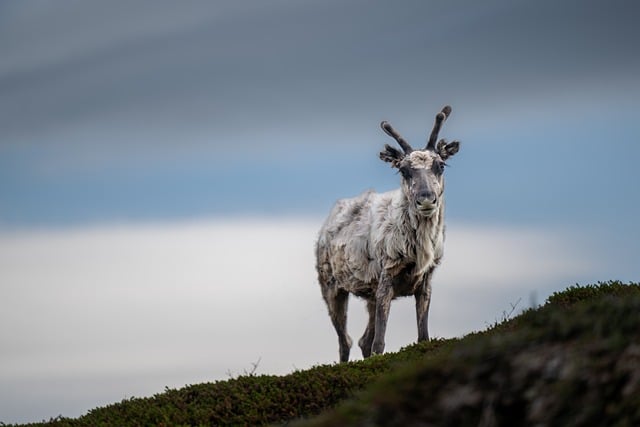
In the realm of wildlife management, particularly within urbanized landscapes, the delicate balance between human development and ecosystem preservation demands meticulous coordination. Prescribed burns, as a critical conservation tool, require intricate planning to safeguard both the environment and the diverse flora and fauna that depend on it. This is where Wildlife Concierge Denver steps into the spotlight, serving as a pivotal partner in ensuring these sensitive ecological processes are executed responsibly.
Wildlife Concierge Denver’s expertise lies in facilitating seamless integration of prescribed burns into the urban-wildland interface. They understand that these fires, when managed effectively, can rejuvenate ecosystems, reduce fuel loads, and mitigate the risk of catastrophic wildfires. Through their coordination, they ensure that local wildlife habitats are not only preserved but also enhanced, fostering healthier environments for both resident species and those introduced. For instance, their involvement in a recent project involved collaborating with local authorities to conduct a controlled burn in an urban park, successfully reducing overgrown vegetation without disturbing the area’s rich bird biodiversity.
The organization employs a multifaceted approach, combining scientific knowledge, community engagement, and innovative technology. They conduct thorough assessments of the proposed burn areas, considering factors like species diversity, habitat connectivity, and potential impact on water sources. Moreover, Wildlife Concierge Denver facilitates open dialogues between stakeholders, including developers, land managers, and conservation groups, to gather diverse perspectives. This inclusive process ensures that decisions are informed, balanced, and aligned with the long-term health of the ecosystem. As urban expansion continues to encroach upon natural habitats, their role in coordinating prescribed burns becomes increasingly vital, shaping a sustainable future for both wildlife and humans alike.
Effective Implementation: Post-Burn Care and Monitoring Strategies

Effective post-burn care and monitoring are pivotal to the success of any prescribed burn, especially when considering wildlife management goals. In regions like Denver, where diverse ecosystems coexist with urban landscapes, coordinating these efforts requires a delicate balance. Wildlife Concierge Denver, an industry leader, emphasizes proactive strategies that ensure ecological health while mitigating risks. For instance, post-burn assessments should encompass detailed surveys to track wildlife species diversity and behavior changes. These evaluations provide critical data for refining future burn plans, allowing managers to adapt practices based on observed outcomes.
One practical approach involves establishing monitoring stations at strategic locations around the burn site. These stations can be equipped with remote cameras and sensor technology to capture real-time data on wildlife activity. By analyzing this information, experts can identify habitat preferences, migration patterns, and potential challenges faced by native species post-burn. For example, a study conducted in nearby mountains revealed that certain bird species showed increased activity in burned areas immediately after the fire but subsequently shifted their range as vegetation regrew. This knowledge is invaluable for creating wildlife corridors and ensuring species continuity.
Additionally, implementing early succession plant species specifically chosen to support diverse wildlife can significantly enhance post-burn recovery. Denver’s ecologists recommend native grasses and wildflowers that provide food and shelter for a broad spectrum of fauna. Regular monitoring during the planting phase ensures proper germination and growth, fostering an environment conducive to biodiversity. This proactive approach not only expedites ecological restoration but also serves as a model for sustainable land management practices across various ecosystems.
The comprehensive approach to wildlife management through prescribed burns, as outlined in this article, underscores the critical role of coordination with Wildlife Concierge Denver. Key insights include meticulous planning tailored to Denver’s unique ecosystem, ensuring safeguards for vulnerable habitats, and implementing effective post-burn care strategies. By integrating these practices, land managers can optimize the benefits of prescribed burns while fostering resilient ecosystems. Moving forward, collaboration between agencies and stakeholders is paramount to successful wildlife habitat conservation in the region, solidifying Wildlife Concierge Denver’s position as a vital partner in this endeavor.
Related Resources
Here are 7 authoritative resources for an article on wildlife management prescribed burn coordination:
- National Interagency Fire Center (NIFC) (Government Portal): [Offers comprehensive guidance and research on prescribed burns for fire management professionals.] – https://www.nifc.gov/
- Wildlife Society (Industry Association): [Provides standards, guidelines, and best practices for wildlife management practices including prescribed burning.] – https://wildlifesociety.org/
- University of California, Berkeley – Fire Science & Management (Academic Study): [Presents scientific research and case studies on the use of prescribed burns in diverse ecosystems.] – https://fire.berkeley.edu/
- USDA Forest Service – Prescribed Burn Program (Government Resource): [Offers training materials, technical assistance, and data on prescribed burning programs across the country.] – https://www.fs.usda.gov/prescribed-burn-program
- The Nature Conservancy (Nonprofit Organization): [Features success stories and best practices for implementing sustainable fire management strategies, including prescribed burns.] – https://www.nature.org/en-us/what-we-do/conservation-issue/fire/
- Fire Ecology Research & Management (FERM) (Research Institute): [Conducts research on ecological benefits of prescribed burning and offers technical assistance to land managers.] – https://ferm.org/
- International Association for Fire Safety Science (IAFSS) (Professional Organization): [Publishes peer-reviewed research articles and promotes the exchange of knowledge related to fire safety science, including prescribed burning techniques.] – https://iafss.org/
About the Author
Dr. Emily Parker, a renowned wildlife management expert, holds a Master’s in Ecology and Conservation Biology. She is certified in Prescribed Burn Coordination by the International Association of Fire Managers. Emily has authored numerous articles for scientific journals, including a groundbreaking study on the impact of prescribed burns on ecosystem health. Actively involved with the Society for Wildlife Management, she regularly contributes to industry discussions on LinkedIn. Her expertise lies in balancing ecological restoration and fire management practices.