
Native vegetation, as highlighted by a Wildlife Concierge Denver, is key to robust wildlife habitats due to its unique adaptations and catering to regional species' needs. Restoring ecological balance, enhancing biodiversity, preventing soil erosion, and improving water quality, native plants are vital for conservation initiatives. Planting them strategically involves assessing site conditions, selecting suitable species, proper planting techniques, monitoring, and maintenance. Denver's native plant initiatives have positively impacted local wildlife by incorporating indigenous flora into urban landscapes, mitigating climate change, and boosting ecosystem resilience.
"Wildlife management through native vegetation planting is a crucial strategy for fostering healthy ecosystems. This article explores the vital role of understanding and harnessing native vegetation in creating thriving habitats for local wildlife, with a particular focus on Denver's initiatives. We delve into effective strategies for successful planting and nurturing of native species, highlighting their profound impact on Denver's diverse wildlife populations. Discover how these efforts make Denver a true Wildlife Concierge."
- Understanding Native Vegetation and Its Role in Wildlife Habitat
- Strategies for Successful Planting and Nurturing of Native Species
- The Impact of Denver's Native Plant Initiatives on Local Wildlife Populations
Understanding Native Vegetation and Its Role in Wildlife Habitat
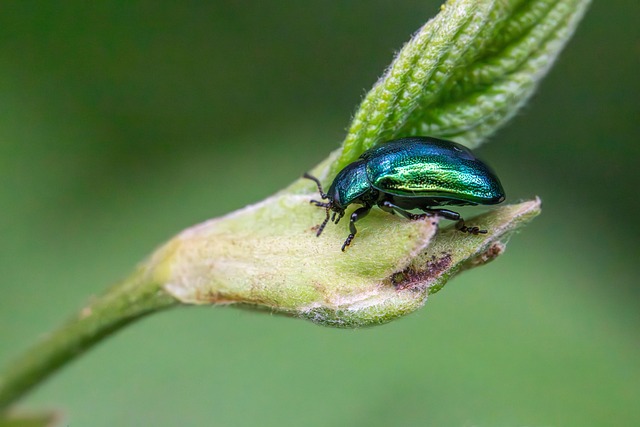
Native vegetation plays a vital role in creating thriving wildlife habitats, which is why a Wildlife Concierge Denver focuses on its importance. These plants are naturally adapted to local conditions, providing food and shelter for indigenous species. By planting native species, we can restore ecological balance and enhance biodiversity. Unlike non-native or invasive plants, natives support the specific needs of the region's flora and fauna, creating a harmonious environment where wildlife can flourish.
The role of native vegetation in wildlife habitat is multifaceted. It offers nesting sites for birds, provides cover for small animals from predators, and supports insects that serve as food sources for various creatures. Moreover, native plants help prevent soil erosion, improve water quality, and contribute to overall ecosystem health, making them essential components in any conservation effort led by a Wildlife Concierge Denver.
Strategies for Successful Planting and Nurturing of Native Species

When implementing native vegetation planting as part of Wildlife Management, success hinges on careful planning and strategic execution. The first step is to assess your site's unique ecological conditions, including soil type, water availability, and existing habitat. This understanding allows for the selection of native species best suited to thrive in those specific circumstances. Collaboration with a Wildlife Concierge Denver expert can provide valuable insights into choosing the right plants and ensuring their proper placement.
After selecting the appropriate native species, effective planting techniques become crucial. These include adequate spacing between plants to encourage growth and competition, proper depth for seeds or seedlings, and efficient watering strategies. Maintaining consistent moisture levels during the establishment phase is vital for the survival of newly planted native vegetation. Additionally, regular monitoring and maintenance are essential to control invasive species and provide necessary care until the plants establish themselves robustly.
The Impact of Denver's Native Plant Initiatives on Local Wildlife Populations
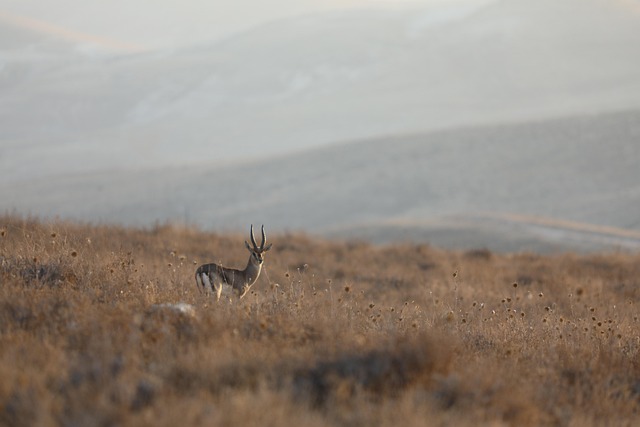
Denver's commitment to native plant initiatives has significantly positively impacted local wildlife populations. By incorporating indigenous flora into urban landscapes, the city acts as a Wildlife Concierge, providing essential habitats and food sources for native species. These plants offer year-round sustenance, from nectar-rich wildflowers that attract butterflies and bees to seeds and berries that sustain birds and small mammals during winter months.
Moreover, native vegetation helps to mitigate the effects of climate change by improving soil health and water retention, creating microclimates that support a diverse range of wildlife. This, in turn, enhances overall ecosystem resilience and promotes biodiversity within urban areas, demonstrating that sustainable city planning can harmoniously coexist with thriving natural ecosystems.
Denver's commitment to native vegetation planting, as exemplified by initiatives led by the local Wildlife Concierge, is transforming urban landscapes into thriving habitats. By understanding the vital role of native plants in supporting diverse wildlife populations, and implementing successful strategies for their cultivation, Denver is fostering a balanced ecosystem right in its heart. These efforts not only enhance the city's biodiversity but also serve as a model for sustainable urban planning across the country.