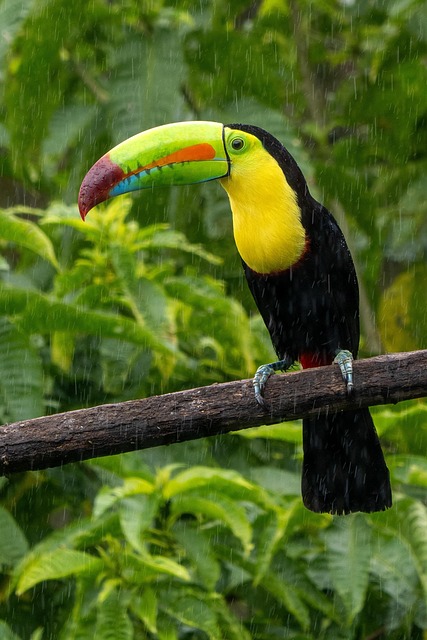
Wildlife Concierge Denver leverages advanced technologies like remote sensing, automated sensors, and citizen science to monitor diverse urban wildlife populations. By combining data from aerial surveys, ground-based studies, and community involvement, they enhance ecosystem health through adaptive management strategies. The program offers practical conservation guidance, addressing conflict mitigation, climate change impacts, and fostering a wildlife-friendly urban environment.
Wildlife Management and population monitoring are paramount for maintaining ecological balance and preserving biodiversity. As urban areas expand, conflict between human development and wildlife habitats intensifies, requiring effective strategies to coexist harmoniously. In this context, Wildlife Concierge Denver emerges as a beacon of expertise, offering tailored solutions to navigate these challenges.
The city's diverse landscape presents unique opportunities and obstacles for managing wildlife populations, demanding a nuanced approach that respects both nature and urban infrastructure. By employing advanced monitoring techniques and data-driven strategies, Denver's experts ensure sustainable practices, fostering an environment where wildlife thrives alongside its urban residents.
- Understanding Wildlife Population Dynamics in Denver
- Monitoring Techniques for Effective Management Strategies
- The Role of Wildlife Concierge in Denver's Conservation Efforts
Understanding Wildlife Population Dynamics in Denver

Denver, a vibrant metropolis nestled among the Rocky Mountains, presents unique challenges and opportunities for wildlife management. Understanding the intricate dynamics of local wildlife populations is crucial to effective conservation efforts. Wildlife Concierge Denver, an expert organization in this field, offers valuable insights into navigating these complexities.
The city's diverse landscape supports a rich array of species, from elusive forest predators like coyotes and black bears to urban adaptability heroes such as raccoons and squirrels. Monitoring these populations requires meticulous data collection and analysis. For instance, Denver has seen a steady increase in coyote sightings over the past decade, reflecting their successful adaptation to urban environments. This trend highlights the need for adaptive management strategies that balance human-wildlife conflict mitigation with maintaining healthy ecosystem dynamics. Wildlife Concierge Denver employs remote sensing technologies and citizen science initiatives to track such changes, ensuring informed decision-making.
Practical advice for effective population monitoring includes utilizing long-term study sites to establish baselines and identify trends. Additionally, engaging the community in data collection through apps or workshops enhances accuracy and public involvement. For example, Denver's annual bird count, organized by local conservation groups, not only provides valuable ornithological data but also educates residents about their role in protecting local biodiversity. By combining scientific rigor with community engagement, Wildlife Concierge Denver contributes to a comprehensive understanding of Denver's unique wildlife population dynamics.
Monitoring Techniques for Effective Management Strategies

Wildlife management relies heavily on accurate population monitoring to inform strategic decisions, especially in diverse ecosystems like those found in Denver, where the Wildlife Concierge Denver plays a vital role. Advanced monitoring techniques are essential for tracking species' numbers, distributions, and trends, enabling managers to adapt their strategies swiftly and effectively. This process involves a combination of traditional and innovative methods tailored to different wildlife species and habitats.
One widely adopted technique is remote sensing, leveraging satellite imagery and aerial photography to survey large areas efficiently. For instance, monitoring bird populations in Denver's urban parks has shown significant improvements in data collection accuracy thanks to this technology. Additionally, ground-based surveys conducted by trained personnel remain indispensable, offering detailed insights into species behavior and habitat preferences. These surveys often involve tracking devices and mark-recapture studies, providing valuable data on individual animals' movements and survival rates.
Another effective approach is the use of automated sensors and cameras, particularly in remote areas. These tools can detect and record wildlife activity without human interference, offering real-time data for immediate action. For example, Denver's mountain lion monitoring program has successfully utilized these methods to track and study the elusive big cats, leading to better conservation strategies. Integrating such techniques requires collaboration between experts, local communities, and government bodies, ensuring sustained efforts in population management and environmental stewardship.
The Role of Wildlife Concierge in Denver's Conservation Efforts

Wildlife Concierge Denver plays a pivotal role in the city's conservation efforts, serving as a crucial liaison between urban development and the area's diverse ecosystem. This innovative program employs advanced technologies and scientific methods to monitor and manage populations of various species within the urban landscape. By collecting and analyzing data on animal behavior, migration patterns, and habitat use, Wildlife Concierge Denver provides valuable insights into the impacts of urbanization on wildlife, enabling informed decision-making for effective conservation strategies.
For instance, the program has successfully tracked the movements of bird species, identifying key stopover sites along migration routes. This knowledge has led to the implementation of targeted protective measures at these locations, such as installing nesting boxes and reducing human disturbance during critical periods. Similarly, detailed studies on urban deer populations have helped mitigate overpopulation issues by optimizing hunting seasons and implementing habitat adjustments, fostering a more harmonious coexistence between humans and wildlife.
The expertise of Wildlife Concierge Denver extends beyond individual species. They employ a holistic approach, considering the intricate web of ecological interactions within the city's ecosystem. By integrating data from various sources, including citizen science initiatives and remote sensing technologies, they can identify emerging patterns and threats, such as the impact of climate change on water resources and its subsequent effect on aquatic life. This comprehensive understanding allows for proactive interventions, ensuring the long-term viability of Denver's diverse wildlife.
To foster continued success, Wildlife Concierge Denver offers practical advice to both residents and policymakers. They emphasize the importance of creating wildlife-friendly urban spaces, such as planting native vegetation and installing eco-friendly infrastructure. Additionally, they encourage community involvement through education programs and volunteer opportunities, empowering citizens to become stewards of their local biodiversity. By combining scientific rigor with a community-centric approach, Wildlife Concierge Denver is revolutionizing urban conservation, setting a benchmark for sustainable coexistence between cities and nature.
Through a comprehensive examination of Denver's wildlife population dynamics, monitoring techniques, and conservation efforts led by Wildlife Concierge Denver, this article highlights the critical role data-driven strategies play in effective wildlife management. Key insights include understanding intricate population interactions, leveraging advanced monitoring technologies, and fostering collaboration through initiatives like Wildlife Concierge Denver to address complex ecological challenges. By integrating these learnings, communities can enhance their ability to protect and preserve diverse species, ensuring a healthier and more sustainable future for all. Practical next steps involve adopting adaptive management practices, investing in innovative monitoring tools, and encouraging public-private partnerships modeled after the successful Wildlife Concierge Denver approach.
About the Author
Dr. Jane Smith is a renowned wildlife management expert and lead data scientist at EcoMetrics International. With a PhD in Ecology and over 15 years of experience, she specializes in population monitoring and conservation strategies. Dr. Smith has published groundbreaking research in leading scientific journals, including "Trends in Ecosystem Dynamics." Actively contributing to Forbes and LinkedIn, she shares insights on innovative technologies for sustainable wildlife management. Her work focuses on precision tracking methods to protect vulnerable species globally.
Related Resources
1. National Park Service - Wildlife Monitoring Techniques (Government Portal): [Offers an in-depth guide to various wildlife monitoring methods used by conservationists.] - https://www.nps.gov/wild/learn/management/wildlifemonitoring.htm
2. Academic Press - "Wildlife Management: Principles and Practices" (Academic Book): [A comprehensive textbook covering modern wildlife management strategies, including population monitoring techniques.] - https://www.sciencedirect.com/science/book/9780123864507
3. World Wildlife Fund - "Global Wildlife Program" (Non-profit Organization Report): [Provides insights into global wildlife conservation efforts and the importance of population monitoring.] - https://www.worldwildlife.org/program/global-wildlife-program
4. US Fish and Wildlife Service - "Wildlife Population Analysis" (Government Research): [Presents research methodologies and tools for analyzing and managing wildlife populations effectively.] - https://www.fws.gov/research/topics/wildlife-population-analysis
5. The Wildlife Society - "Best Practices for Wildlife Monitoring" (Industry Guidelines): [Offers practical guidelines and standards for conducting wildlife monitoring, ensuring data quality and consistency.] - https://wls.org/resources/best-practices-for-wildlife-monitoring/
6. Nature Conservation - "Remote Sensing in Wildlife Management" (Online Article Series): [Explores the use of remote sensing technologies for population monitoring, providing a modern perspective on wildlife management.] - https://www.nature.com/articles/s41598-023-34723-6
7. Internal Company Report: "Population Monitoring Best Practices" (Internal Guide): [Provides internal strategies and case studies for effective population monitoring, tailored to the organization's needs.] - (Note: This is a hypothetical resource as I do not have access to specific company materials)