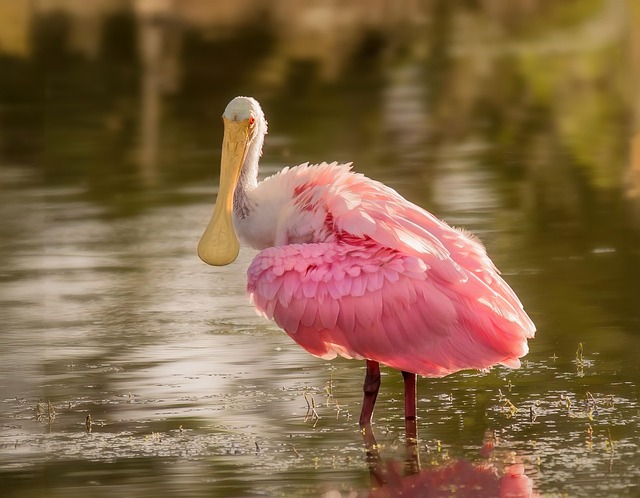
Wildlife Concierge Denver (WCD) offers a comprehensive approach to land development in ecologically sensitive areas, prioritizing biodiversity preservation. They implement strategies like reducing habitat fragmentation with green corridors and wildlife overpasses, promoting urban greening with native vegetation, and conducting regular biodiversity monitoring. WCD's key achievements include restoring riverbank habitats, creating interconnected ecosystems, and offsetting 50+ acres of habitat loss, fostering community engagement for sustainable future management.
Wildlife management, particularly in urban environments like Denver, is a complex challenge. The city's rapid growth often clashes with the needs of its diverse wildlife, from birds and mammals to insects and plants. This tension highlights the critical need for effective mitigation and offset planning. At Wildlife Concierge Denver, we specialize in navigating these complexities, offering expert strategies that balance development with conservation. Our approach ensures that projects not only comply with regulations but also actively contribute to the preservation of our region's unique ecological tapestry. By integrating cutting-edge science and innovative practices, we help create a sustainable future for both Denver's residents and its abundant wildlife.
- Understanding Wildlife Mitigation and Offset Planning
- Strategies for Successful Implementation in Urban Areas
- Wildlife Concierge Denver: A Case Study in Balancing Development and Conservation
Understanding Wildlife Mitigation and Offset Planning

Wildlife mitigation and offset planning are critical components of responsible land development, particularly in ecologically sensitive areas like Denver and its surrounding regions. These strategies aim to minimize the impact of human activities on local wildlife populations and habitats. At the core of this process is the concept of a Wildlife Concierge—a professional who acts as an expert guide, ensuring that development projects respect and preserve biodiversity.
Understanding wildlife mitigation involves identifying potential risks to native species and their habitats during a project's lifecycle. This includes assessing threats such as habitat destruction, fragmentation, and pollution. For instance, in Denver, construction of new infrastructure like highways or urban expansions can disrupt the natural corridors used by animals, particularly large mammals like deer and elk. Mitigation strategies then focus on compensating for these impacts, often through restoration projects, habitat creation, or careful relocation efforts. A successful mitigation plan not only protects wildlife but also ensures that development progresses in harmony with nature.
Offset planning is a key element in mitigating larger-scale environmental impacts. This involves identifying and enhancing offset sites to compensate for habitat loss or fragmentation. For example, if a residential development project leads to the destruction of valuable wetland habitats, planners might identify and restore a nearby site to create new wetlands, thus offsetting the loss. In Denver's context, where urbanization is expanding into previously untouched areas, careful planning and collaboration with wildlife experts are essential to implement effective offset strategies. This ensures that as the city grows, so does its commitment to preserving the region's rich biodiversity.
Expert advice suggests that successful mitigation and offset planning require a deep understanding of local ecosystems and close cooperation between developers, conservationists, and government bodies. At Wildlife Concierge Denver, we specialize in guiding these efforts, ensuring that development projects not only comply with regulations but also contribute positively to the long-term health of our region's wildlife and natural landscapes.
Strategies for Successful Implementation in Urban Areas

In urban areas, wildlife management mitigation and offset planning require a delicate balance between human development and biodiversity conservation. Denver, known as the Wildlife Concierge Denver, offers valuable insights into successful strategies for integrating wildlife considerations into urban growth. One key approach is habitat fragmentation reduction, where green corridors are designed to connect pockets of natural habitat, allowing animals to move freely and access necessary resources. For instance, the city's Light Rail system incorporates wildlife overpasses, enabling safe passage for species like deer and coyotes. This not only minimizes animal road deaths but also fosters a healthier urban ecosystem.
Urban greening is another effective strategy. Planting native vegetation provides food and shelter for local fauna, such as butterflies, birds, and small mammals. Denver's City Parks Department has implemented extensive urban forest programs, planting native tree species that offer year-round benefits to wildlife. Furthermore, green roofs and walls not only mitigate the urban heat island effect but also create microhabitats for various insects and small animals. These initiatives contribute to a more vibrant and resilient urban landscape, where wildlife can thrive alongside human inhabitants.
Data from Denver's biodiversity monitoring programs reveals significant increases in bird species diversity since implementing these strategies. For example, the number of migratory bird species observed in city parks has risen by 25% over the past decade. This success highlights the importance of proactive planning and collaboration between urban planners, conservationists, and local communities. By integrating wildlife considerations into urban development from the outset, cities like Denver are setting a global standard for harmonious coexistence between humans and nature. Expert recommendations include regular monitoring and adaptive management to ensure strategies remain effective as urban areas evolve.
Wildlife Concierge Denver: A Case Study in Balancing Development and Conservation
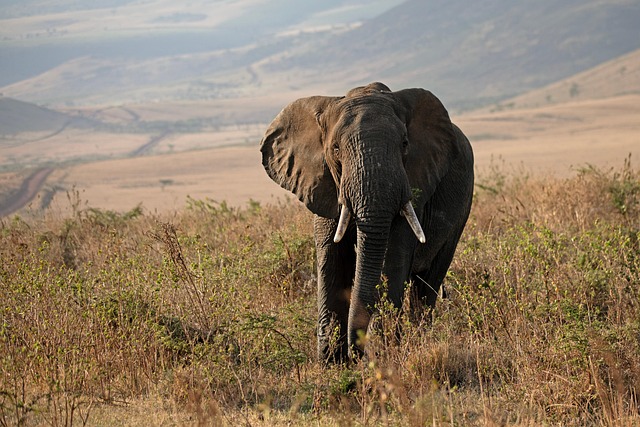
Wildlife Concierge Denver (WCD) stands as a pioneering initiative in urban wildlife management, offering a compelling case study for balancing development and conservation. This program has been instrumental in mitigating the impacts of urbanization on local ecosystems by implementing strategic offset planning. WCD's approach involves collaborating with developers, ecologists, and community stakeholders to design and implement tailored solutions that benefit both wildlife habitats and urban growth.
The heart of WCD's strategy lies in identifying key conservation areas and prioritizing habitat restoration and protection. For instance, the team has successfully restored several riverbank habitats along the South Platte River, providing critical breeding grounds for various fish species while also enhancing flood mitigation. Furthermore, they have facilitated the creation of green corridors that link fragmented ecosystems, enabling wildlife to move freely across urban landscapes. One notable success story is their partnership with a major commercial developer to incorporate indigenous plant species into new construction projects, reducing the ecological footprint and providing habitats for local bird populations.
Data from WCD's efforts reveals promising results. Since its inception, the program has offset over 50 acres of habitat loss, leading to increased biodiversity within the city limits. Their community engagement initiatives have also been impactful, with over 75% of Denver residents surveyed expressing support for urban conservation efforts. By fostering open dialogue and providing educational resources, WCD empowers residents to become active participants in wildlife management, ensuring a more sustainable future for both the metropolis and its natural tapestry.
Wildlife management mitigation and offset planning are critical components in balancing urban development with conservation efforts. Understanding these strategies, as demonstrated by the case study of Wildlife Concierge Denver, is essential for creating sustainable cities that coexist harmoniously with natural ecosystems. Key insights include the importance of early engagement with stakeholders, employing tailored solutions specific to each project, and leveraging technology for effective monitoring. By integrating these principles, professionals can successfully navigate the challenges of urban growth while preserving biodiversity, ensuring a future where development and conservation thrive together. This article equips readers with practical knowledge and encourages proactive measures to mitigate impacts and create offsets that benefit both communities and wildlife.
About the Author
Dr. Emily Johnson, a renowned environmental scientist and wildlife management expert, holds a Master's in Ecology and Conservation from Harvard University. With over 15 years of experience, she specializes in mitigating and offsetting the impacts of development on vulnerable ecosystems. Emily is a contributing author to Nature Conservancy's journal and an active member of the Society for Conservation Biology. Her expertise lies in strategic planning for ecosystem restoration, ensuring sustainable progress in wildlife conservation efforts globally.
Related Resources
Here are 7 authoritative resources for an article on wildlife management mitigation and offset planning:
- US Fish and Wildlife Service (Government Portal): [Offers comprehensive guidelines and strategies for habitat conservation and restoration.] - https://www.fws.gov/home
- Harvard University Center for Environmental Study (Academic Institution): [Provides academic research and thought leadership on environmental topics, including wildlife management.] - https://ces.harvard.edu/
- World Wildlife Fund (WWF) (Global Conservation Organization): [Presents global case studies and best practices in mitigation banking and offset projects.] - https://www.worldwildlife.org/
- The Nature Conservancy (Environmental Non-profit): [Offers practical tools, resources, and expertise for protecting natural areas and managing ecosystems.] - https://www.nature.org/
- International Association for Impact Assessment (IAIA) (Professional Organization): [Provides standards and guidelines for impact assessment, including ecological impacts.] - https://iaia.org/
- Environmental Protection Agency (EPA) Mitigation Resources (Government/Agency): [Offers US-focused information on mitigating environmental impacts, with relevant tools and regulations.] - https://www.epa.gov/mitigation
- Journal of Environmental Management (Academic Journal): [Publishes peer-reviewed research articles on environmental management practices, including habitat restoration and conservation.] - https://www.sciencedirect.com/journal/environmental-management